
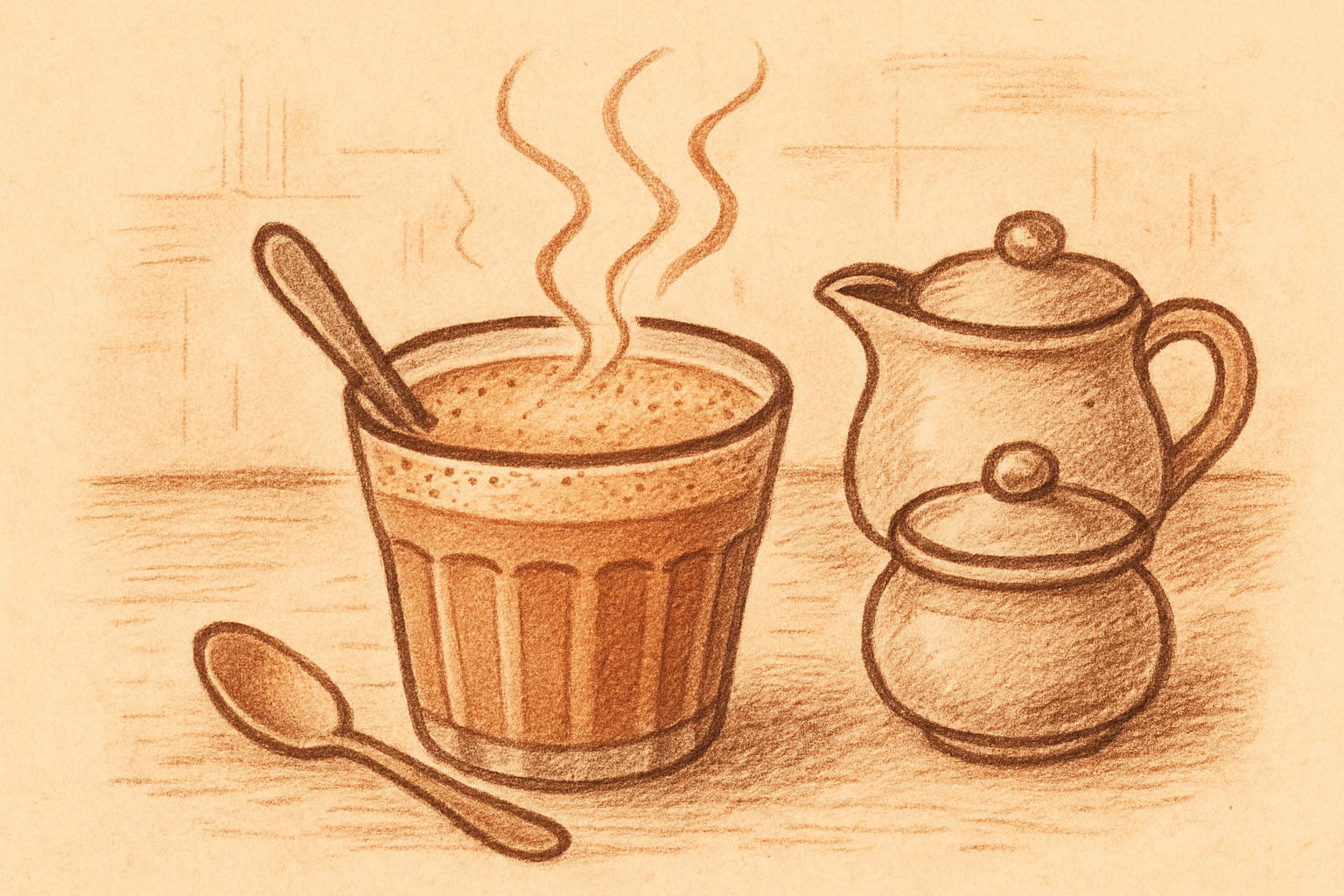
Instant coffee
Also called: instant coffee, insta coffee, nescafe, instant kaffee, instant coffe, instant kahwa, instant-coffee, instnt coffee
Instant coffee is that quick chai-time style coffee many of us reach for in the morning, during office breaks, or late-night study sessions. Made with instant coffee powder, hot milk, and a little sugar, it’s a fast, comforting cup that feels familiar in Indian homes, hostel rooms, and canteens alike.
Per 1 tea cup (180g)
Nutrition Facts
| Nutrient | Per tea cup (180g) | Per 100g |
|---|---|---|
| Calories | 41.8 kcal | 23.2 kcal |
| Protein | 1.1g | 0.6g |
| Carbohydrates | 6.7g | 3.7g |
| Fat | 1.3g | 0.7g |
| Fiber | 0g | 0g |
| Sugar | 6.5g | 3.6g |
| Micronutrients (per 100g) | ||
| Sodium | 4.92 mg | |
| Calcium | 20.87 mg | |
| Iron | 0.06 mg | |
| Vitamin C | 1.51 mg | |
| Folate | 5.6 µg | |
What Goes Into It
Per serving (1 tea cup)
gastroenterology Gut Health Insight
Instant coffee is gentle on the gut for many people because it’s mostly water and milk, with no heavy solids or fiber to slow digestion. The caffeine can nudge gut movement a bit, so it may help if you feel sluggish after a heavy meal, but on an empty stomach it can sometimes trigger acidity or a churning feeling. The milk adds some protein and calcium, but if you’re sensitive to lactose, this cup may leave you bloated or gassy. A practical tip: have it after breakfast or with a snack, not first thing without food, especially if you already get reflux or acidity.
From the Shellel Blog
Want to track Instant coffee in your daily meals?
Just say "Instant coffee" in Shellel and get instant macros.
download Get Shellel FreeNutrition data sourced from ICMR-NIN Indian Food Composition Tables (IFCT) and the Indian Nutrient Database (INDB 2024). Values are per standard serving and may vary with preparation method.