Everyone loves rajma chawal. Nobody loves what happens 2 hours later.
Why rajma makes you gassy
Rajma contains oligosaccharides — a type of complex sugar that your body can't digest. These sugars pass through your stomach and small intestine untouched, reaching your large intestine where bacteria ferment them. Fermentation produces gas. That's literally it.
The same thing happens with chole, lobia, and to a lesser extent, most dals. Rajma is just the worst offender because it has the highest oligosaccharide content.
5 ways to reduce rajma gas
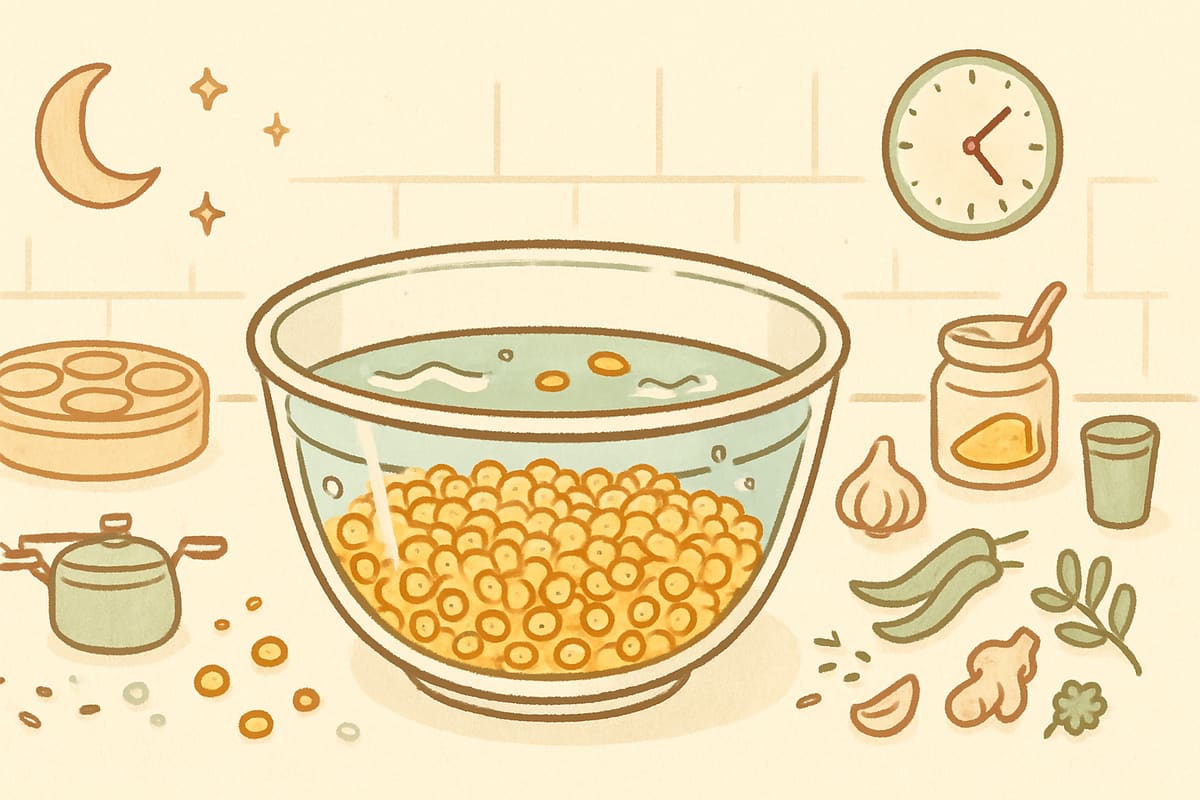
1. Soak overnight and discard the water. This is the biggest one. Soaking for 8-12 hours leaches out a significant portion of the oligosaccharides into the water. Drain it, rinse, cook with fresh water. Never cook rajma in the soaking water.
2. Add hing (asafoetida) while cooking. There's a reason every Indian grandmother does this. Hing is the traditional tadka spice for beans and dals; a pinch goes in with the cumin.
3. Pressure cook properly. Undercooked rajma causes more gas than well-cooked rajma. The pressure cooker breaks down some of the complex sugars. Give it at least 4-5 whistles, then simmer.
4. Add ginger and ajwain. Both are traditional additions to rajma. Ginger in the gravy, ajwain seeds in the tadka.
5. Eat rajma regularly. This sounds counterintuitive, but your gut bacteria adapt. If you eat rajma once a month, your gut isn't prepared. If you eat it weekly, the bacteria that handle oligosaccharides multiply and gas reduces over time.
The good news about the gas
Here's the irony: the same process that causes gas is just your gut bacteria fermenting fibre. Some gas after beans is common and usually mild.
Rajma has 7g fiber per bowl — one of the highest of any Indian food. That fiber is what the gut bacteria feed on, and the gas is a side effect.
When to worry
Normal: some gas and mild bloating for 1-2 hours after rajma. Your body adapts with regular eating.
Not normal: severe pain, cramping, diarrhea after beans consistently. If that happens, talk to a doctor.
Quick answers
Asked and answered
Does chole cause as much gas as rajma?
Less, but still significant. Chole has slightly fewer oligosaccharides than rajma. Both benefit from overnight soaking and proper cooking.
How filling is rajma?
8g protein, 7g fiber, very filling, and low in fat. The gas is a temporary annoyance — the nutrition is real.
Does soaking rajma remove nutrients?
You lose a small amount of water-soluble vitamins when you discard soaking water. But you gain much better digestibility and nutrient absorption from the cooked beans. The trade-off is worth it.